All Categories
Featured
Table of Contents
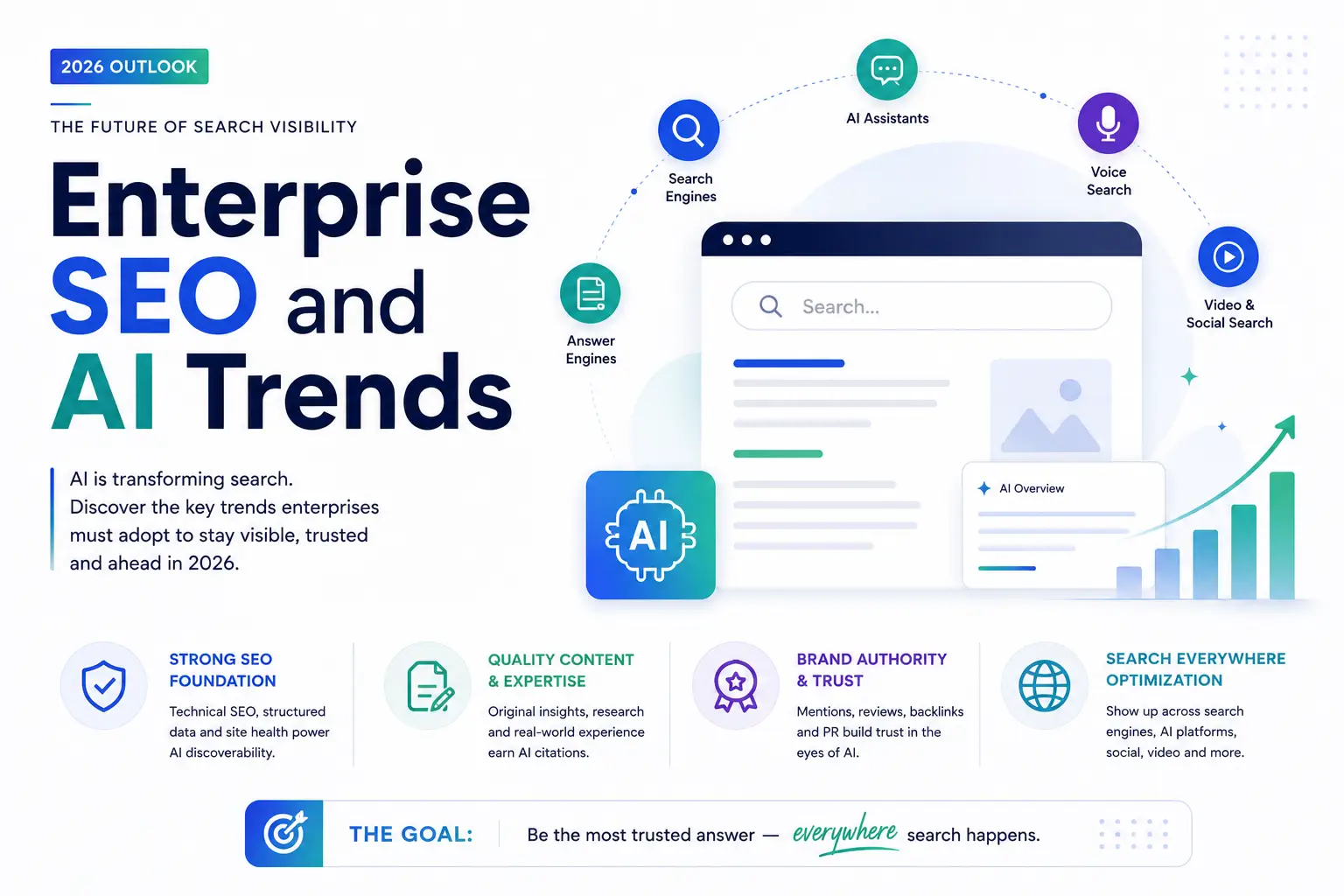
This column series looks at the most significant information and analytics obstacles dealing with contemporary business and dives deep into successful use cases that can assist other companies accelerate their AI progress. Carolyn Geason-Beissel/MIT SMR Getty Images MIT SMR columnists Thomas H. Davenport and Randy Bean see 5 AI patterns to focus on in 2026: deflation of the AI bubble and subsequent hits to the economy; development of the "factory" infrastructure for all-in AI adapters; greater concentrate on generative AI as an organizational resource instead of a specific one; continued progression towards value from agentic AI, regardless of the hype; and ongoing concerns around who should handle information and AI.
This means that forecasting enterprise adoption of AI is a bit easier than forecasting innovation modification in this, our 3rd year of making AI forecasts. Neither people is a computer or cognitive researcher, so we generally remain away from prognostication about AI technology or the particular ways it will rot our brains (though we do expect that to be a continuous phenomenon!).
Why Riyadh’s Fintech Sector is the Future of Regional FinanceWe're likewise neither economic experts nor financial investment analysts, however that won't stop us from making our first forecast. Here are the emerging 2026 AI patterns that leaders need to comprehend and be prepared to act on. In 2015, the elephant in the AI room was the rise of agentic AI (and it's still clomping around; see listed below).
It's tough not to see the resemblances to today's circumstance, consisting of the sky-high assessments of startups, the emphasis on user growth (remember "eyeballs"?) over profits, the media buzz, the expensive infrastructure buildout, etcetera, etcetera. The AI industry and the world at big would probably gain from a small, sluggish leak in the bubble.
The Impact of Automation On Middle East Growth
It will not take much for it to happen: a bad quarter for an important supplier, a Chinese AI model that's more affordable and simply as reliable as U.S. models (as we saw with the first DeepSeek "crash" in January 2025), or a couple of AI costs pullbacks by big corporate consumers.
This column series takes a look at the greatest data and analytics challenges dealing with modern business and dives deep into successful usage cases that can assist other organizations accelerate their AI development. Thomas H. Davenport (@tdav) is the President's Distinguished Professor of Info Innovation and Management and faculty director of the Metropoulos Institute for Technology and Entrepreneurship at Babson College, and a fellow of the MIT Initiative on the Digital Economy.
Randy Bean (@randybeannvp) has been a consultant to Fortune 1000 companies on information and AI management for over 4 decades. He is the author of Fail Quick, Discover Faster: Lessons in Data-Driven Leadership in an Age of Interruption, Big Data, and AI (Wiley, 2021).
Quantum computing has actually long felt like sci-fi. Scientists are going into a "years, not decades" period where quantum machines will begin dealing with problems classical computers can't, states Jason Zander, executive vice president of Microsoft Discovery and Quantum. That looming breakthrough, called quantum benefit, might help fix society's most difficult obstacles, Zander says.
AI discovers patterns in information. And quantum includes a new layer that will drive far higher accuracy for modeling particles and materials, he says.
Exploring the Landscape of Middle East Innovation
It's the first quantum chip constructed utilizing topological qubits, a design that inherently makes fragile qubits more steady and reliable. It's likewise the only quantum service engineered to catch and appropriate mistakes. That architecture leads the way for makers with countless qubits on a single chip, providing the processing power needed for complex clinical and industrial issues.
"The future of AI and science will not just be quicker, it will be basically redefined." Lead image developed by Kathy Oneha/ We. Communications. Illustrations produced with Develop in Microsoft 365 Copilot. Story published on Dec. 8, 2025.
A year in tech can feel like a years anywhere else.
, offering new areas a competitive benefit. Over the last few weeks, IBM Think spoke with a lots specialists in techresearchers, creators and leaders from IBM and beyondto get their insights on what to expect in the year ahead.

Latest Posts
The Future of Technological Innovation for Startups
New Venture Updates From GCC Startup Sector
Strategic Benefits of Cloud Integration in the GCC