All Categories
Featured
Table of Contents
Best for task-based automation Workato remains a strong choice for task-based automation, providing recipe-based workflow design and a substantial community-supported app environment. It's appropriate for organizations looking for prebuilt, one-off automations across marketing, finance, HR, and operations, where data volumes are relatively low Best for tradition integration Boomi masters environments with older facilities and deeply ingrained legacy systems.

It generally needs deeper technical expertise to release and keep, as its core product has actually been stitched together via acquisition. This increases long-term operational costs and slows down dexterity. Best for SMB and no-code automation Zapier continues to dominate in small business and start-up environments. Its no-code user interface and large app library make it easy to automate fundamental workflows, though it's less matched for enterprise governance or complex combinations.
This method works well for business with a big IT group to manage the multiple API layers or a partner that helps with a prolonged application timeline. With alternatives covering no-code tools to enterprise combination suites, picking the right automation platform starts with clearness on your goals. Determine what success looks like.
Ensure the platform supports your present and future ecosystem. Look for flexible APIs, prebuilt ports, and scalability that supports multi-departmental development. Start smallpilot a couple of automations, procedure efficiency, and improve. The best automation programs evolve iteratively, broadening throughout departments when success is shown. Celigo supports this journey through reusable workflow design templates, integrated analytics, and a modular architecture that scales as automation maturity grows.
The organizations that thrive will be the ones that can develop rapidly, run reliably, and adjust quickly as their requirements develop. Whether you're minimizing operational friction or ensuring integrations stay secure and scalable, the platform you choose will determine just how much agility you can unlock. Celigo's Intelligent Automation Platform shows this brand-new age.
Implementing Advanced AI to Modernize Digital Roadmaps
It's the instructions automation is headed, and it's how IT leaders will prepare for what comes next. See how Celigo's Intelligent Automation Platform helps companies bridge AI Agents, automation, and orchestration by unifying workflows, scaling integrations, and speeding up transformation.
Some automation tools guarantee the world then break after 5 actions, while others run your entire business in the background. I checked the most talked-about automation platforms of 2026, across workflows, prices, ease of use, and real-world reliability. Here are the 7 best automation tools that delivered as guaranteed. UiPath: Finest for enterprise-scale agentic automationZapier: Best for no-code app connectorsAutomation Anywhere: Best for complex, AI-driven workflowsBlue Prism: Best for compliance-heavy business opsWorkato: Finest for cross-tool procedure orchestrationn8n: Best for Developer-Grade Control Without the Business BloatMicrosoft Power Automate: Finest for Microsoft-centric enterprises Automation software automates repeated tasks or processes with minimal human input, assisting groups conserve time, decrease mistakes, and increase effectiveness.
The Executive Guide to Navigating AI Ethics in the GCCSome tools use easy rule-based reasoning, while others use AI to make decisions in real time. You'll discover automation software application in all sort of roles, whether it's a chatbot qualifying leads, a robot dealing with invoice processing, or a workflow home builder that assigns tasks and notifies your group. Depending on the tool, it might run behind the scenes (like Zapier or UiPath) or work alongside you like an AI co-pilot.
UIpath lets business construct innovative automation utilizing AI representatives and RPA bots. Best for IT, finance, and assistance groups in large organizations. UiPath is constructed for scale. Its Automation Hub lets your entire group pitch and focus on automation concepts in one place, making it simpler to choose what deserves structure.
When I tested it, I set up an agent to handle a multi-app support scenario. It pulled client data from Salesforce, ticket status from ServiceNow, and order details from SAP, all without me manually connecting each step. That autonomy is effective, however it comes with a knowing curve. You'll need time to compose clear goals and test thoroughly, or you might face execution errors.
The Top Workflow Systems Reviews for 2026
The platform's strength lies in how well it fits into existing systems. Its built-in personal privacy controls likewise make it easier to keep sensitive workflows secure.
Integrated testing and version control for reliabilityHuge marketplace of plug-and-play componentsSupports AI prompt circulations within business automations Long setup time for agentic workflowsSteep finding out curve for non-technical users Access to Orchestrator, participated in bots, and basic tools Zapier links apps and automates workflows with zero coding. Perfect for solo operators, online marketers, and non-technical groups.
It connects with more than 9,000 apps consisting of Notion, Trello, Discord, HubSpot, and more. The Templates area is complete of prebuilt automations that work out of the box.
An In-Depth Review of 2026 Automation Solutions
It worked effortlessly with other apps, developing a smooth handoff across platforms. That said, pricing can increase quickly if you use multi-step Zaps or run high volumes. And if a linked app changes its API, some Zaps may break without caution. Still, Zapier's paperwork and assistance team make it easy to recuperate quick.
Automation Anywhere is developed for major enterprise use. It runs on Agentic Process Automation (APA), which goes beyond rule-based RPA by enabling AI agents that make decisions based on real-time context and your service data.
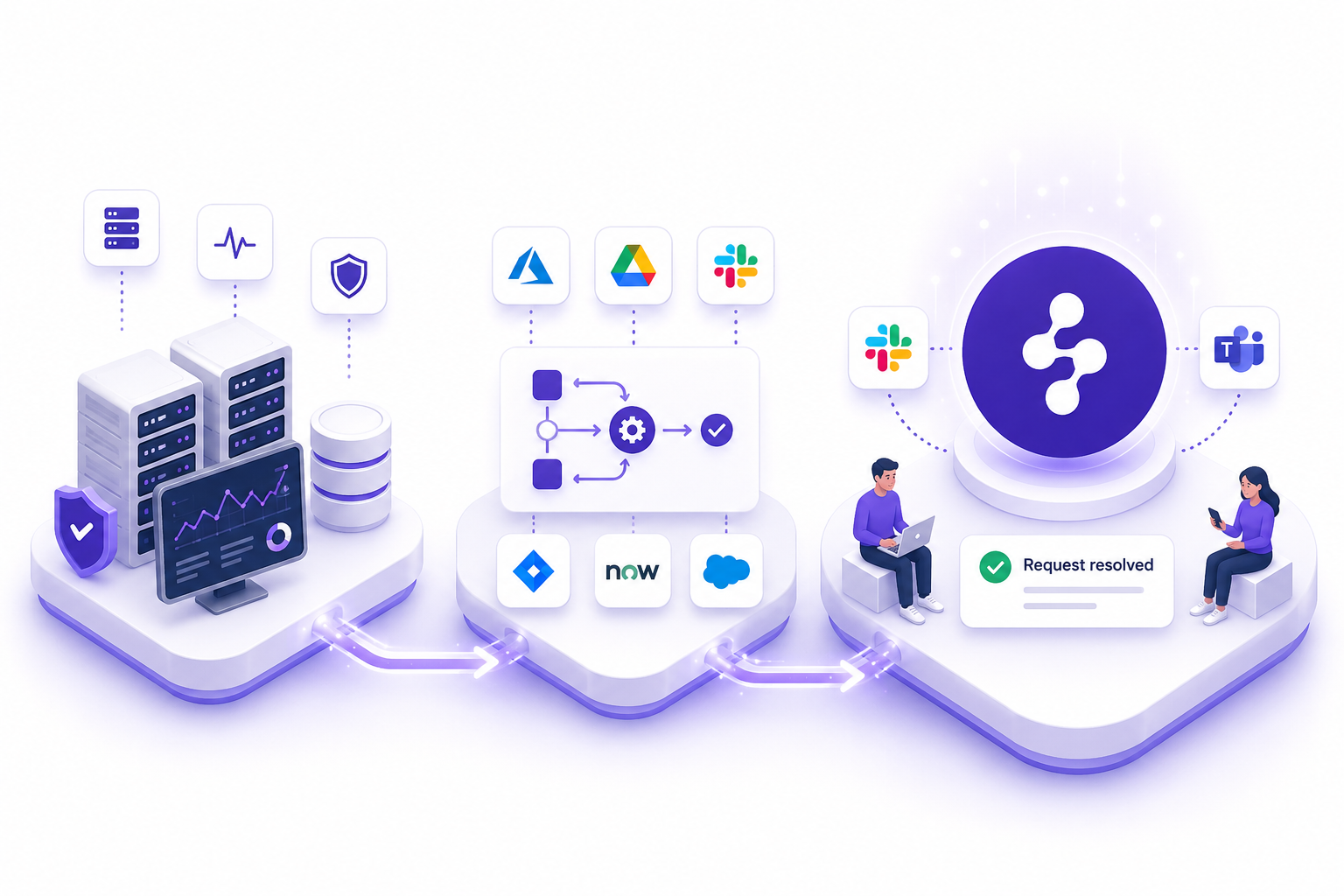
It embeds directly into apps like Salesforce and SAP, where it recommends next actions, recovers records, or fills forms, all from within your existing tools. It's context-aware and actively reacts to user input without switching tabs or tools. The platform's AI representatives are built using retrieval-augmented generation (RAG), which suggests they combine LLMs with direct data pulls from your item brochures, understanding bases, and CRMs.
You can start with prebuilt AI agents or construct your own using pre-trained skills, then connect them to cloud platforms like AWS or Google Cloud. While the innovation is excellent, it's not beginner-friendly. There's minimal community support, and group cooperation is a discomfort point; just one person can edit a bot at a time, which slows group work.
Offers pre-trained AI skills for faster deploymentSupports protected multi-cloud and on-prem setupsBuilt-in controls for compliance and audit readiness Group cooperation is restrictiveLimited peer neighborhood and shared resources Requires a demonstration request; prices depends on scale and organization requirements BluePrism automates service workflows with a concentrate on compliance, governance, and enterprise control.
Optimizing Cloud Infrastructure in the Middle East
Blue Prism has long been a heavyweight in enterprise automation, and its current updates make the platform more functional without compromising control. Formerly, the Application Modeler, utilized to train bots by mapping out UI elements, was tiresome.

Latest Posts
The Future of Technological Innovation for Startups
New Venture Updates From GCC Startup Sector
Strategic Benefits of Cloud Integration in the GCC