All Categories
Featured
Beyond development, AI is ending up being ingrained in develop, test, and deployment pipelines. In 2026, many groups might depend on semi-autonomous systems to keep track of pipelines, spot abnormalities, and intervene before failures escalate. An AI system keeping an eye on CI/CD workflows may observe that a particular class of tests has begun failing periodically after recent merges.
AI-enabled systems are increasingly embraced in location. Post-deployment, AI can monitor usage patterns, efficiency metrics, and error rates and then suggest configuration changes, function toggles, or refactors.
As AI systems end up being more autonomous, the question is no longer whether human beings remain in the loop; it's how that loop is designed. In 2026, the most significant changes will not be about job replacement, however about how responsibility, authority, and responsibility are distributed in between people and machines. Standard software executes directions.
Will Your Enterprise Become Powered By AI?
An item operations team may assign an AI system an objective such as enhancing feature adoption or lowering incident reaction time. The system evaluates information, proposes actions, collaborates across tools, and reports development, while people maintain authority over top priorities and restrictions.
Key Advantages of Applied AI Innovation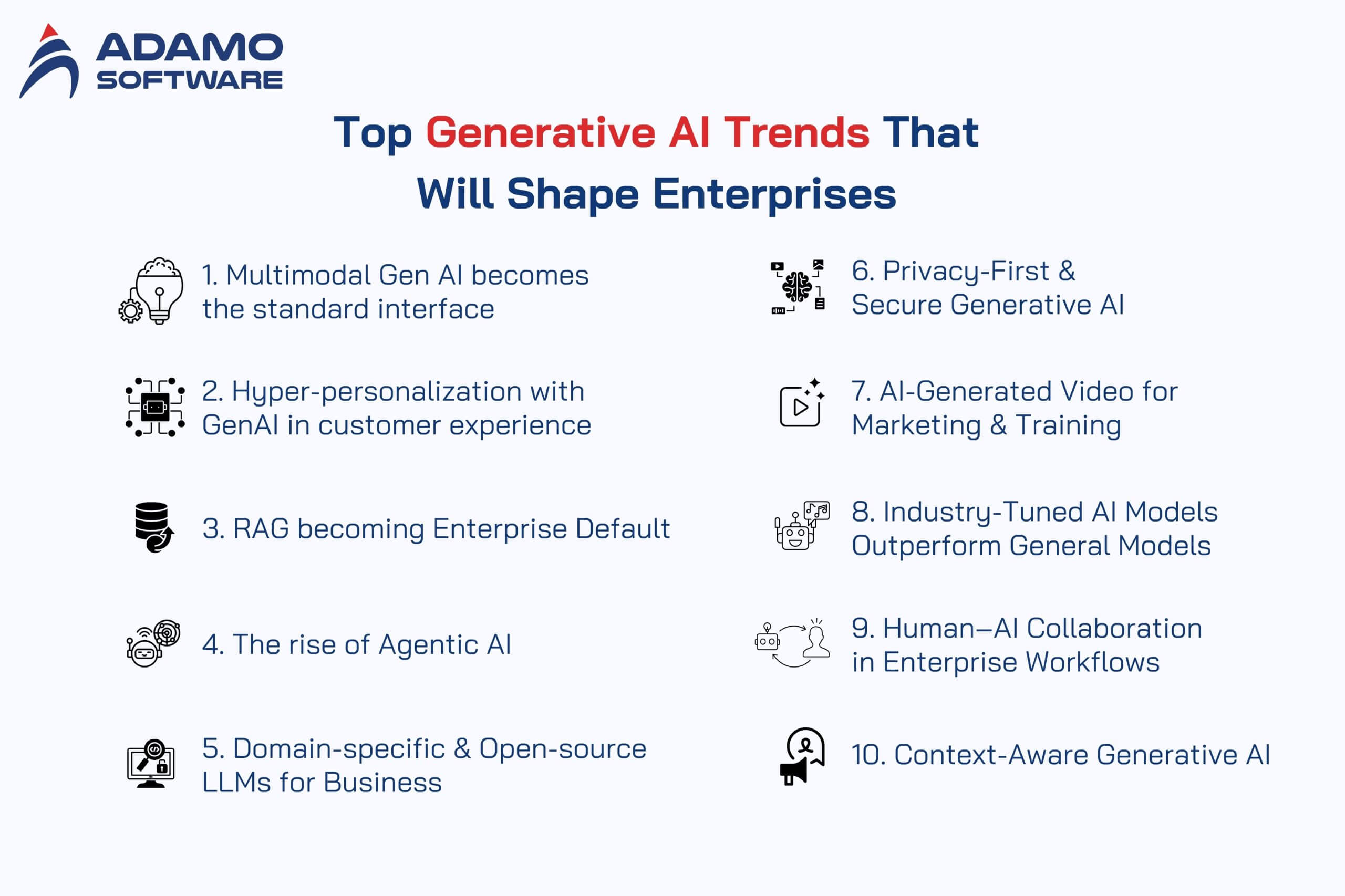
One of the shifts in 2026 will be how employees perceive AI. Numerous teams are finding that AI is most valuable when it absorbs the cognitive overhead that drains pipes time and focus.

Latest Posts
The Future of Technological Innovation for Startups
New Venture Updates From GCC Startup Sector
Strategic Benefits of Cloud Integration in the GCC