All Categories
Featured
Table of Contents
This transition presents both opportunity and risk. Succeeded, it opens performance and scale. Done poorly, it creates blind areas and responsibility spaces. The difference lies in how agentic systems are developed, particularly how decisions are logged, investigated, and overridden if required. In 2026, business embracing agentic AI are finding out a vital lesson: autonomy does not remove responsibility.
For decision-makers evaluating AI-enabled software partners, agentic AI is an early signal. It reveals whether a team comprehends AI as a surface-level capability or as a systems challenge that demands rigor, discipline, and long-term thinking.
At scale, however, that technique collapses under its own intricacy. Interoperability and coordination are becoming specifying qualities of the top AI trends in 2026, specifically as agentic systems scale. Today's AI representatives frequently run inside closed systems, woven together through bespoke APIs and hard-coded presumptions. While practical for early releases, this fragmentation ends up being a liability as business present more agents, more tools, and more vendors.
Key Tips for Managing Applied AI Systems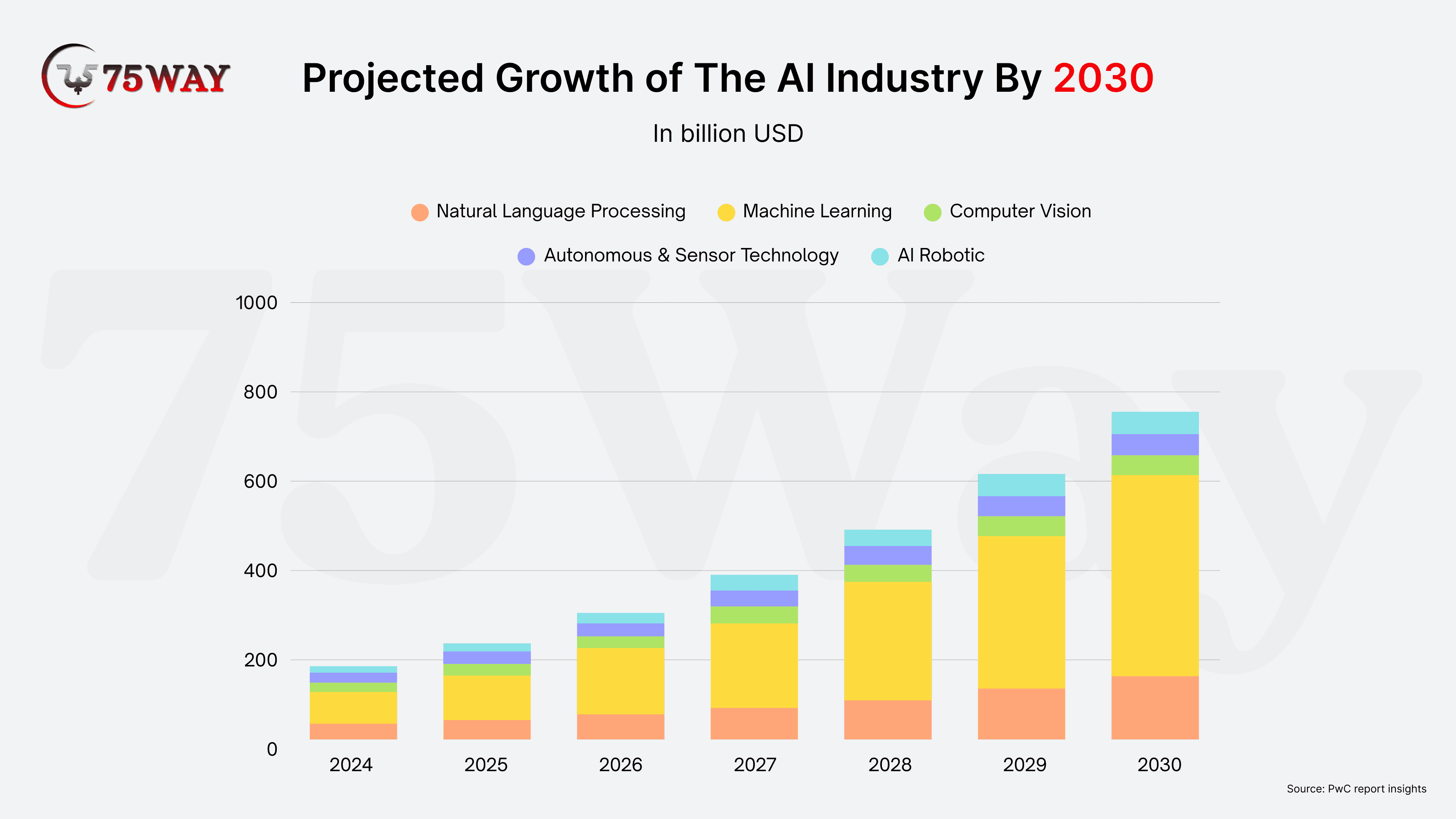
Context gets lost in between systems, habits end up being inconsistent, and governance becomes reactive instead of designed. For decision-makers, this mirrors an earlier era of enterprise software, before basic procedures made it possible for systems to dependably talk with one another. The industry is starting to assemble around agent communication procedures, lightweight standards that specify how agents exchange context, conjure up tools, and work together throughout limits.
Rather of customized combinations for every single database, API, or workflow, a representative can depend on standardized context schemas to discover tools, demand actions, and pass structured state to another agent, even if that agent was built by a different team. This shift allows cross-platform cooperation, where agents are no longer restricted to a single stack.
New Impact of AI On GCC Growth
The useful effect of standardization is substantial. What as soon as needed weeks of combination work increasingly ends up being configuration. A business might introduce a new compliance agent that immediately comprehends how to read audit logs, question internal services, and flag abnormalities. This is not because it was custom-built for that environment, but due to the fact that the environment exposes standardized interfaces.
Structure agentic systems in 2026 methods developing for interoperability from the start, not retrofitting standards after the reality. Agent standards progressively include identity, permissioning, and auditability, dealing with agents not as anonymous procedures, however as top-notch stars within a system.
In agentic systems, they must be embedded into the interaction material itself. For companies examining AI-enabled software application partners, protocol fluency is a signal.
For years, AI systems have been constrained by a narrow input channel: text. By 2026, multimodal AI is no longer a differentiator. Multimodal systems can consume and reason throughout numerous methods, consisting of text, images, audio, video, and structured data.
Will Applied AI Transform the 2026 Roadmap?They begin with screenshots, dashboards, files, logs, voice calls, or half-structured data pulled from several systems. Multimodal AI is created for this reality.
Achieving Superior ROI With Next-Gen AI Systems
A multimodal system can analyze visual damage, correlate it with telemetry and maintenance history, and advise next actions: all within a single workflow. This shift changes how software application is developed. Interfaces end up being less about kind fields and more about context aggregation. Here, AI acts as the connective tissue in between disparate inputs.
When coupled with agentic systems, they enable execution. In 2026, much of the most reliable AI implementations will combine perception and action; systems that don't just analyze information, however act upon it across tools and services. An item quality concern surface areas by means of customer support call audio, product images, and usage logs.
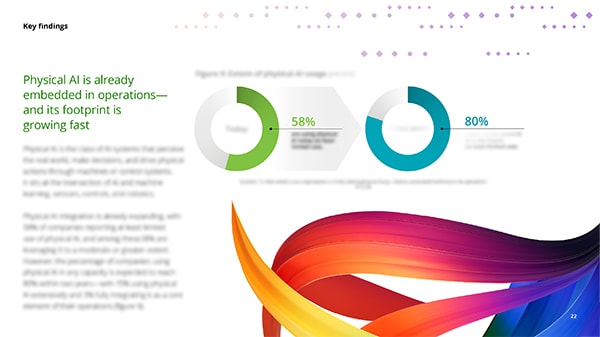
This is where multimodal AI moves beyond "better interfaces" and becomes a chauffeur of operational efficiency. For much of the last decade, physical AI lived in regulated environments: research labs, pilot factories, and securely scripted demonstrations.

Latest Posts
The Future of Technological Innovation for Startups
New Venture Updates From GCC Startup Sector
Strategic Benefits of Cloud Integration in the GCC