All Categories
Featured
-- The merging of these ten forces will produce specific, observable results in 2026: will reach $500 million-$1 billion in transaction value as early endeavor funds look for liquidity. will complete IPOs, establishing evaluation criteria for the community. will catch 40-50% of total endeavor capital deployed in the area. will account for 60% or more of enterprise AI profits in the GCC.
will develop a two-tier market where start-ups pick between Saudi and UAE main listing locations. The GCC innovation ecosystem is transitioning from a capital-rich experimenter to a disciplined, artificial market. The age of easy money and rapid scaling without structural maturity is ending. In its place, a more intricate, more demanding, but ultimately more sustainable innovation landscape is emerging.
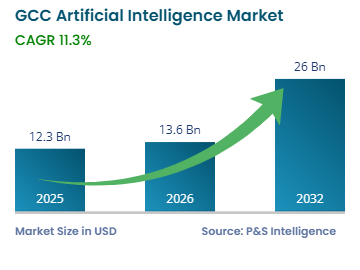
The worldwide economic landscape of late 2025 is experiencing a conclusive shift. While Western capital markets grapple with liquidity restraints, the Gulf Cooperation Council (GCC) has actually emerged as the undeniable architect of the post-oil digital economy. We are witnessing the period of "Sovereign Endeavor Capitalism"a model where hydrocarbons act as the liquidity engine for a fast, state-directed transition into high-technology industrialization, synthetic intelligence, and advanced monetary systems.
Why Riyadh’s Fintech Sector is the Future of Regional FinanceWhy Digital Tools Boost Modern ROI
In the first half of 2025 alone, MENA startup investment hit, marking a shocking.1 This surge is defined by multi-billion dollar commitments that signify a departure from passive possession accumulation to active environment building. Saudi Arabia's Public Mutual fund (PIF) is managing a $100 billion commercial push through, while the UAE seals its "Falcon Economy" status with a predicted by 2029.2 At the same time, Qatar has actually strongly released almost half of its $1 billion "Fund of Funds," drawing in Silicon Valley's elite to Doha.

Latest Posts
The Future of Technological Innovation for Startups
New Venture Updates From GCC Startup Sector
Strategic Benefits of Cloud Integration in the GCC