All Categories
Featured
Table of Contents
Startups that can demonstrate special information collaborations with big enterprises will command valuation premiums.-- The growth of international AI business into the GCC, combined with large business AI implementation, produces extraordinary need for specialized talent. The supply of certified AI engineers, data researchers, and device knowing scientists can not satisfy current need, developing wage inflation that reshapes the whole startup cost structure.
Global AI labs use payment packages that consist of equity in high-growth worldwide companies, making it impossible for regional startups to complete on total compensation. Second, business use stability and benefits that startups can not match. Third, the swimming pool of locally trained AI talent stays little regardless of federal government financial investments in education.
The most successful GCC startups in 2026 will be those that can develop AI systems that need fewer, more specific human operatorsessentially, automating the automation itself (Source 8: Labor Market Data).-- Federal government procurement will work as the main demand driver for innovation start-ups in the GCC for the foreseeable future.
The procurement vibrant produces a particular set of rewards for start-ups. Startups that end up being reliant on federal government agreements deal with margin compression and tactical inflexibility.
Key Cloud Computing Trends in the GCC
A single federal government release can work as a reference case that validates a start-up's innovation for international purchasers. This method needs start-ups to build products that are adaptable to numerous contexts, instead of custom services for single government clients (Source 9: Procurement Analysis).-- The regulative environment across GCC member states is diverging even as the area pursues economic combination.
Each jurisdiction is trying to develop a regulative environment that attracts particular types of technology companies. Qatar's policy focuses on specific niche sectors like sports technology and education. For startups, regulative divergence produces both challenges and opportunities.
However, the compliance costs of multi-market operations are significant and favor larger, better-capitalized business (Source 10: Regulatory Analysis).-- The GCC's financial investments in physical and digital infrastructure are producing structural advantages that will intensify in 2026. Data center capability, fiber optic networks, and energy facilities are requirements for AI development, and the GCC has these possessions in quantities that most global markets can not match.
-- The merging of these ten forces will produce particular, observable results in 2026: will reach $500 million-$1 billion in transaction worth as early venture funds look for liquidity. will complete IPOs, establishing appraisal benchmarks for the ecosystem. will catch 40-50% of overall equity capital released in the region. will account for 60% or more of enterprise AI revenue in the GCC.
will develop a two-tier market where start-ups select in between Saudi and UAE main listing places. The GCC technology environment is transitioning from a capital-rich experimenter to a disciplined, artificial market. The era of easy cash and rapid scaling without structural maturity is ending. In its place, a more complex, more requiring, however ultimately more sustainable innovation landscape is emerging.

Comparing 2026 Automation Solutions and Tools
The international financial landscape of late 2025 is experiencing a conclusive shift. While Western capital markets grapple with liquidity restrictions, the Gulf Cooperation Council (GCC) has actually become the indisputable architect of the post-oil digital economy. We are witnessing the age of "Sovereign Venture Industrialism"a design where hydrocarbons act as the liquidity engine for a fast, state-directed shift into high-technology industrialization, synthetic intelligence, and advanced monetary systems.
In the very first half of 2025 alone, MENA start-up investment hit, marking a shocking.1 This surge is defined by multi-billion dollar commitments that signal a departure from passive possession build-up to active ecosystem structure. Saudi Arabia's Public Mutual fund (PIF) is managing a $100 billion commercial push through, while the UAE cements its "Falcon Economy" status with a forecasted by 2029.2 Simultaneously, Qatar has aggressively released almost half of its $1 billion "Fund of Funds," attracting Silicon Valley's elite to Doha.
-- The merging of these 10 forces will produce specific, observable results in 2026: will reach $500 million-$1 billion in deal worth as early venture funds look for liquidity.
will create a two-tier market where start-ups pick in between Saudi and UAE primary listing venues. The GCC technology community is transitioning from a capital-rich experimenter to a disciplined, synthetic market. The period of simple cash and quick scaling without structural maturity is ending. In its place, a more complex, more demanding, however eventually more sustainable development landscape is emerging.
The global economic landscape of late 2025 is witnessing a definitive shift. While Western capital markets grapple with liquidity restrictions, the Gulf Cooperation Council (GCC) has become the undisputed designer of the post-oil digital economy. We are witnessing the period of "Sovereign Endeavor Capitalism"a design where hydrocarbons function as the liquidity engine for a fast, state-directed shift into high-technology industrialization, expert system, and advanced monetary systems.
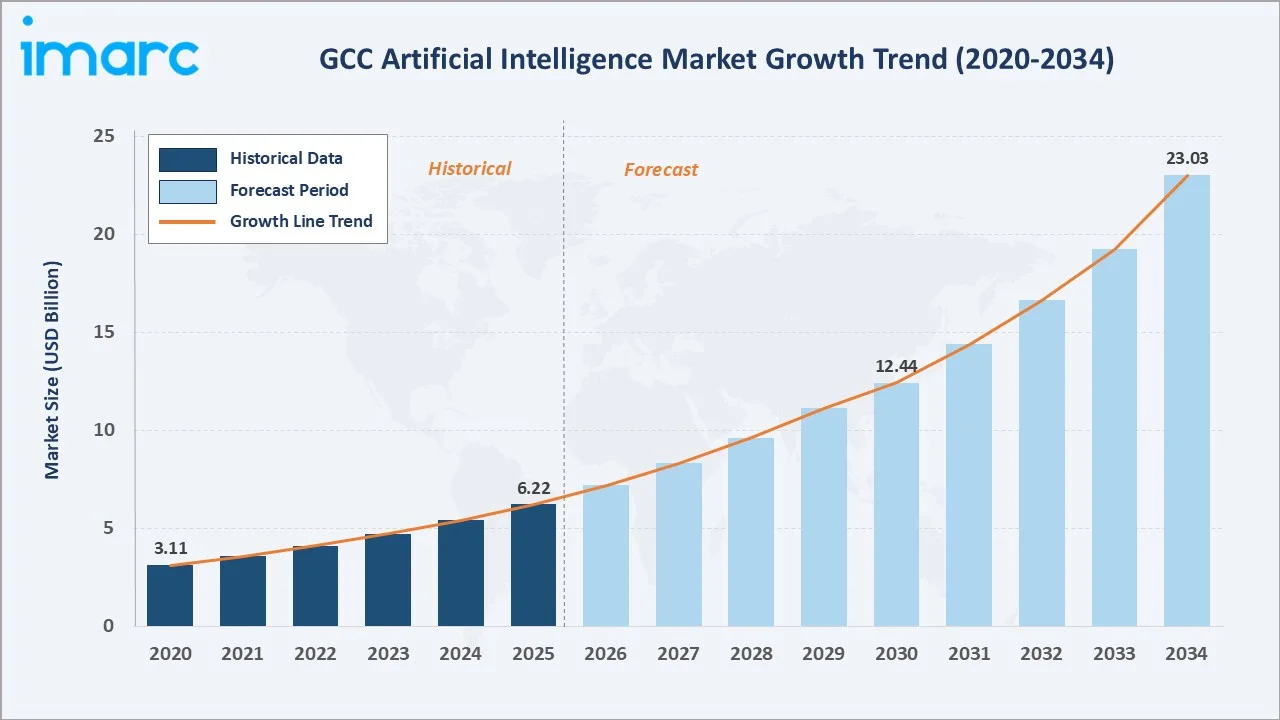
Key AI Development Shifts in Regional Markets
In the first half of 2025 alone, MENA startup financial investment hit, marking a shocking.1 This rise is defined by multi-billion dollar commitments that signal a departure from passive property accumulation to active community structure. Saudi Arabia's Public Mutual fund (PIF) is orchestrating a $100 billion industrial push through, while the UAE cements its "Falcon Economy" status with a predicted by 2029.2 All at once, Qatar has actually aggressively deployed almost half of its $1 billion "Fund of Funds," attracting Silicon Valley's elite to Doha.

Latest Posts
The Future of Technological Innovation for Startups
New Venture Updates From GCC Startup Sector
Strategic Benefits of Cloud Integration in the GCC