All Categories
Featured
Table of Contents
In this model, generative AI functions as a thinking layer, not an authority. What differentiates these systems from earlier automation is their ability to reason over time.
In client operations, generative AI may analyze assistance tickets, use data, and churn signs to recommend intervention methods. If a recommended action does not produce the preferred result, the system revises its approach. It escalates concerns, changes messaging, or sets off retention workflows, all while logging choices for review. This technique mirrors how experienced teams run, but at a scale that manual procedures can't match.
The most effective systems hide complexity behind familiar interfaces, permitting groups to take advantage of AI without learning brand-new interaction models. Within procurement or supply chain software application, generative AI can constantly examine provider performance, agreement terms, and demand forecasts. When conditions change, it proposes alternative sourcing techniques, drafts validations lined up with policy, and routes decisions to the proper approvers.
Another shift underway is the relocation from rule-based customization to generative systems that adjust dynamically. Rather of pre-defining every scenario, teams define goals and restrictions, and permit AI to customize actions accordingly. In digital item environments, generative AI can change onboarding flows, function exposure, or support interventions based upon user behavior, while appreciating compliance standards.
Why Middle East Ventures Lead Innovation in 2026This balance in between versatility and control is what makes generative AI feasible at scale. Curious which tools are powering synthetic information generation today? Explore our 10 Gen AI Tools to Produce Synthetic Data guide. For years, software application advancement has been defined by a familiar split: people style systems and write code; tools assist at the margins.

Proven Steps for Developing Digital Frameworks
AI is moving beyond line-by-line help and into system-level understanding. The outcome is a shift from AI as a coding aid to AI as a participant in the software application lifecycle.
Modern codebases are stretching, interconnected systems shaped by years of decisions, tradeoffs, and spots., developers progressively ask AI systems questions like: What will break if we refactor this module? AI answers by analyzing devote history, dependence graphs, test coverage, and documentation.
Beyond development, AI is becoming embedded in build, test, and release pipelines. In 2026, lots of groups might count on semi-autonomous systems to keep an eye on pipelines, detect anomalies, and intervene before failures intensify. An AI system monitoring CI/CD workflows may discover that a particular class of tests has actually started stopping working intermittently after current merges.
This reduces feedback loops and minimizes the cognitive load on groups managing intricate shipment environments. Maybe the most significant shift is what happens after code ships. Traditionally, released software stays fixed till human beings intervene. AI-enabled systems are significantly embraced in place. Post-deployment, AI can keep track of usage patterns, performance metrics, and error rates and then recommend configuration changes, function toggles, or refactors.
As AI systems end up being more autonomous, the concern is no longer whether humans remain in the loop; it's how that loop is developed. In 2026, the most substantial modifications will not have to do with task replacement, however about how responsibility, authority, and responsibility are distributed between individuals and machines. Conventional software application carries out guidelines.
AI or Traditional Systems: 2026 Review
That behavior begins to look like a colleague more than a tool. In practice, this implies humans are entrusting results, not tasks. A product operations group might designate an AI system an objective such as improving feature adoption or decreasing incident action time. The system assesses information, proposes actions, coordinates throughout tools, and reports progress, while human beings keep authority over concerns and restrictions.
Delegation without oversight creates risk; oversight without delegation develops friction. The balance lies in clearly defined decision boundaries and escalation courses. Among the shifts in 2026 will be how workers perceive AI. Numerous groups are finding that AI is most valuable when it soaks up the cognitive overhead that drains pipes time and focus.

Beyond advancement, AI is becoming ingrained in develop, test, and deployment pipelines. In 2026, numerous teams may count on semi-autonomous systems to monitor pipelines, detect anomalies, and intervene before failures escalate. For instance, an AI system keeping an eye on CI/CD workflows might notice that a specific class of tests has started failing periodically after current merges.
This shortens feedback loops and minimizes the cognitive load on groups managing complicated delivery environments. Maybe the most substantial shift is what happens after code ships. Typically, deployed software application remains static till people intervene. AI-enabled systems are increasingly embraced in location. Post-deployment, AI can monitor use patterns, efficiency metrics, and error rates and after that advise setup modifications, feature toggles, or refactors.
The Future of Digital Innovation for Enterprises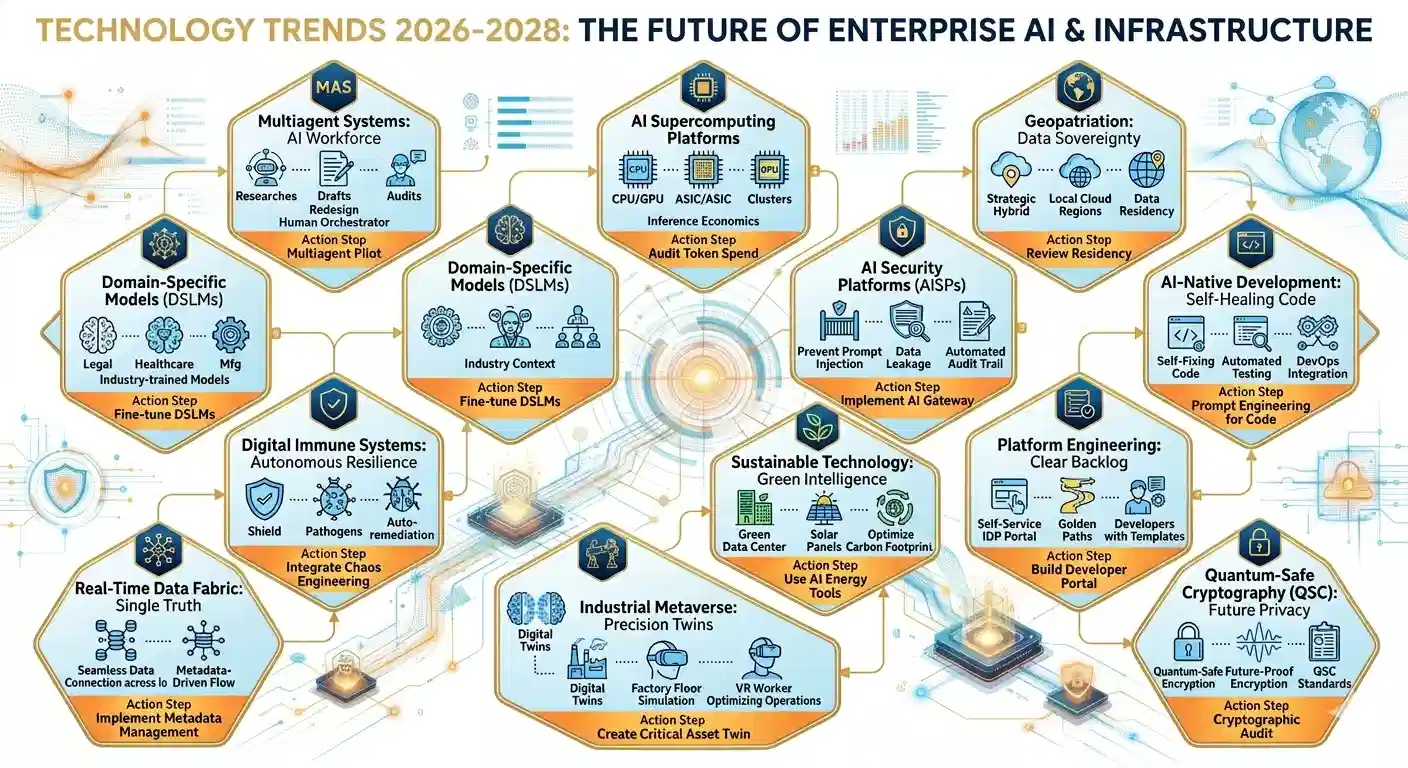
Building High-Impact AI Strategies for Modern Enterprises
As AI systems end up being more self-governing, the question is no longer whether humans remain in the loop; it's how that loop is designed. In 2026, the most substantial modifications will not be about job replacement, but about how duty, authority, and responsibility are distributed between people and makers. Traditional software performs guidelines.
A product operations team might appoint an AI system an objective such as enhancing function adoption or lowering occurrence response time. The system assesses data, proposes actions, coordinates across tools, and reports progress, while humans retain authority over priorities and constraints.
Delegation without oversight produces danger; oversight without delegation produces friction. The balance depends on clearly specified choice boundaries and escalation courses. Among the shifts in 2026 will be how employees view AI. Many groups are finding that AI is most important when it absorbs the cognitive overhead that drains pipes time and focus.

Latest Posts
The Future of Technological Innovation for Startups
New Venture Updates From GCC Startup Sector
Strategic Benefits of Cloud Integration in the GCC